Published · Updated · 5 min read
BLS vs ALS vs ICU Ambulance: Which Configuration Should You Import?
Compare BLS, ALS and ICU ambulance configurations by patient type, crew, equipment and chassis, and see how to plan a mixed fleet when importing from China.
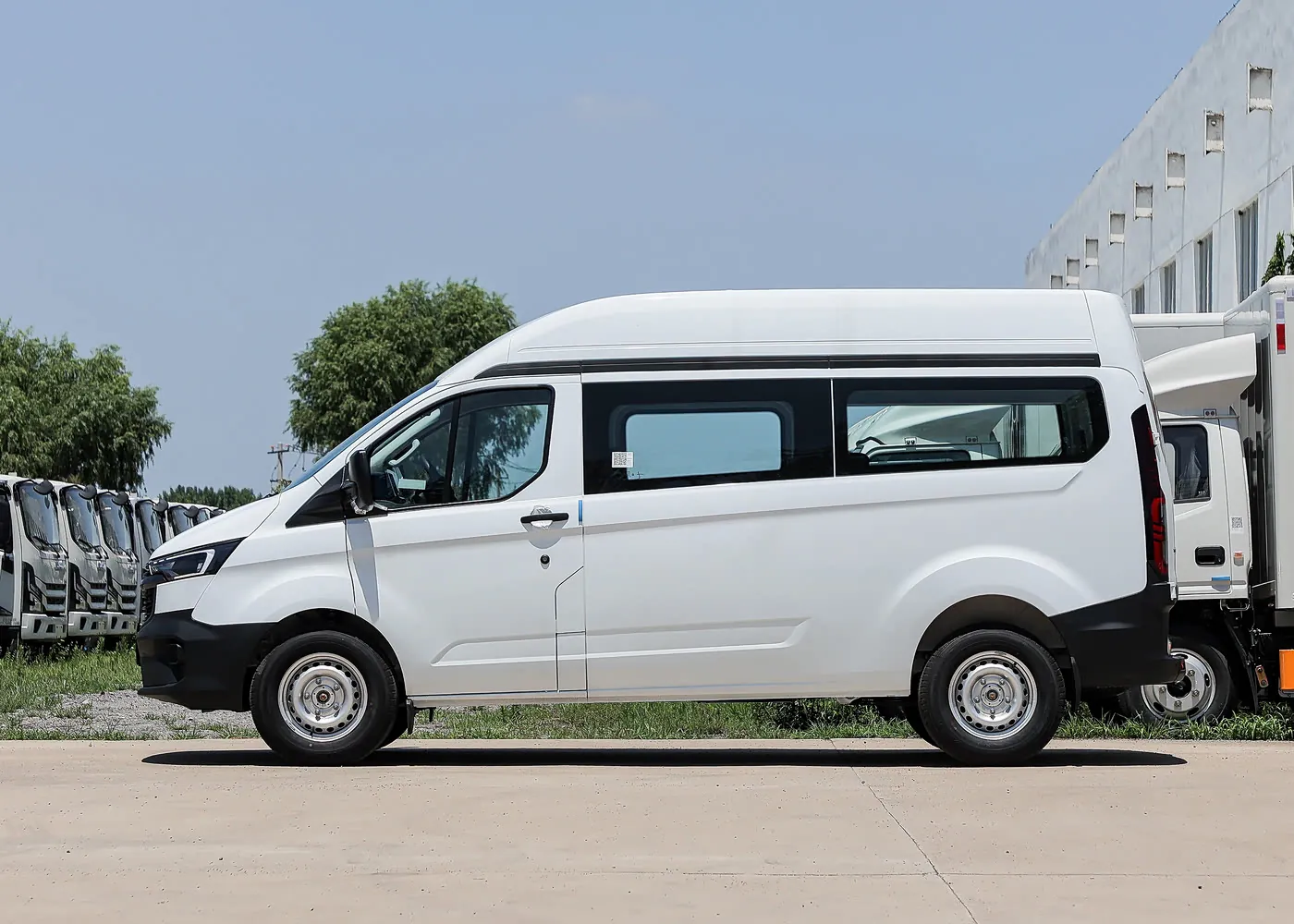
Ordering the wrong level of ambulance is expensive either way: too basic and crews can't treat patients en route; too advanced and you pay for equipment and space that sit unused. Start from the patients you move, not the brochure.
BLS moves stable patients. ALS lets a paramedic monitor and treat on the way. ICU carries critically ill, often ventilated patients between hospitals. Negative pressure is an add-on purpose for infectious patients.
How do the configurations compare?
| BLS | ALS | ICU | |
|---|---|---|---|
| Patient | Stable | Needs monitoring/treatment | Critically ill |
| Crew | EMTs | Paramedic or nurse | Doctor-led team |
| Key equipment | Stretcher, O₂, first aid, AED | + monitor/defibrillator, suction, drugs | + ventilator, pumps, more power and O₂ |
| Chassis | Any | FWD or RWD | RWD long wheelbase, high roof |
When is BLS enough?
For discharges, scheduled transfers and stable emergency calls. BLS units are cheaper to buy and staff, so a fixed budget puts more vehicles on the road.
BLS ambulanceTypical equipment and the chassis we suggest.Why is ALS the most common request?
ALS — called monitoring type in China — handles most emergency work with one vehicle. It's the configuration on our main Ford Transit spec sheet.
ALS ambulanceWhat a monitoring-type ambulance carries.What does an ICU ambulance need that ALS doesn't?
Space, power and oxygen. A ventilator, monitor and several pumps must run for the whole journey, and a doctor needs room at the patient's head. That points to the long-wheelbase, high-roof rear-wheel-drive Transit.
4x2 Ford diesel ambulanceThe 3,750 mm wheelbase chassis for ICU builds.How should a fleet be mixed?
Most systems run mainly BLS and ALS units, with a smaller number of ICU and negative-pressure vehicles placed at referral hospitals. Keep one chassis family to simplify training and spares.
- Map your calls by patient acuity for the past year
- Assign BLS to transfers and low-acuity calls
- Place ALS at stations covering emergencies
- Base ICU units at referral hospitals
- Keep at least one negative-pressure unit per region if outbreaks are a risk
Connect with our ambulance export team today
Fill in the short form or message a manager directly. Quotes and single orders go to Kate or Fan; distributors and tenders to Kunta.